

Introduction: A Silent Threat to Building Integrity
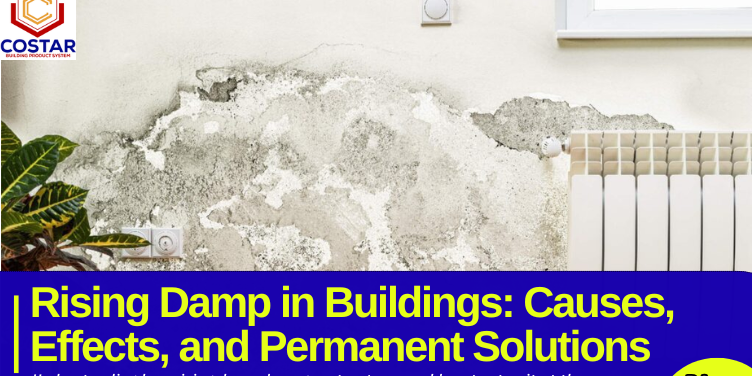
Rising damp is one of the most common yet underestimated problems affecting buildings across Nigeria. Often mistaken for minor surface discoloration, it gradually compromises walls, finishes, and structural elements if left untreated.
Characterized by moisture rising from the ground through porous building materials, rising damp can affect both new and existing structures. Without proper intervention, it leads to persistent damage that becomes increasingly expensive to repair.
Understanding its causes and implementing the right solutions is essential for long-term building performance.
What is Rising Damp?
Rising damp occurs when groundwater travels upward through capillaries in materials such as concrete, blocks, and mortar. This process is similar to how a sponge absorbs water.
In the absence of an effective damp-proof barrier, moisture continues to rise through walls, carrying salts and contaminants that further accelerate deterioration.
Key Causes of Rising Damp
1. Lack of Damp-Proof Course (DPC)
Many buildings either lack a proper damp-proof course or have one that has failed over time. Without this barrier, moisture easily migrates upward.
2. Poor Construction Practices
Use of low-quality materials and improper mixing can increase porosity, making it easier for water to penetrate and rise.
3. High Groundwater Levels
In areas with high water tables, buildings are more exposed to continuous moisture absorption from the soil.
4. Damaged Waterproofing Systems
Failed or poorly applied waterproofing systems allow moisture ingress, worsening the problem.
Effects of Rising Damp on Buildings
The impact of rising damp extends beyond aesthetics and can significantly affect structural integrity:
- Peeling paint and wall discoloration
- Efflorescence (white salt deposits on walls)
- Mold and mildew growth
- Weakening of plaster and masonry
- Unhealthy indoor environment
Over time, these issues reduce the lifespan and value of the building.
Why Temporary Fixes Do Not Work
A common mistake is treating rising damp with surface-level solutions such as repainting or patching. While these may temporarily improve appearance, they do not address the underlying issue.
Moisture continues to rise beneath the surface, eventually causing the problem to reappear. Effective treatment requires stopping water movement at its source.
Permanent Solution: Stop Damp at the Source
To effectively eliminate rising damp, a reliable damp-proofing system must be applied to block moisture movement within the structure.
Costarchem Solution: Costar Damp Master 20
Costar Damp Master 20 is specifically designed to combat rising damp by preventing moisture from penetrating and rising through walls.
It works by forming a protective barrier within the substrate, reducing water absorption and safeguarding structural elements from long-term damage.
Key benefits include:
- Effective resistance against rising damp
- Protection of walls and finishes
- Improved durability of building materials
- Long-lasting performance when properly applied
By addressing the root cause of moisture movement, Costar Damp Master 20 provides a reliable and permanent solution compared to temporary fixes.
Best Practices for Preventing Rising Damp
To ensure long-term protection, the following measures are recommended:
- Install an effective damp-proof course during construction
- Use high-quality materials with low permeability
- Apply damp-proofing solutions in vulnerable areas
- Ensure proper site drainage to reduce groundwater exposure
- Engage professionals for correct application
Protect Your Building Before Damage Sets In
Rising damp is not just a surface issue. It is a structural problem that requires immediate and effective intervention.
Contact Costarchem Nigeria today to learn how Costar Damp Master 20 can protect your building from rising damp and ensure long-lasting performance.
Conclusion
Rising damp is a persistent challenge, but it is entirely preventable with the right approach. Early detection, proper construction practices, and the use of reliable damp-proofing solutions can significantly extend the life of any building.
By investing in proven systems such as Costar Damp Master 20, property owners and developers can protect their structures, reduce maintenance costs, and maintain long-term value.