

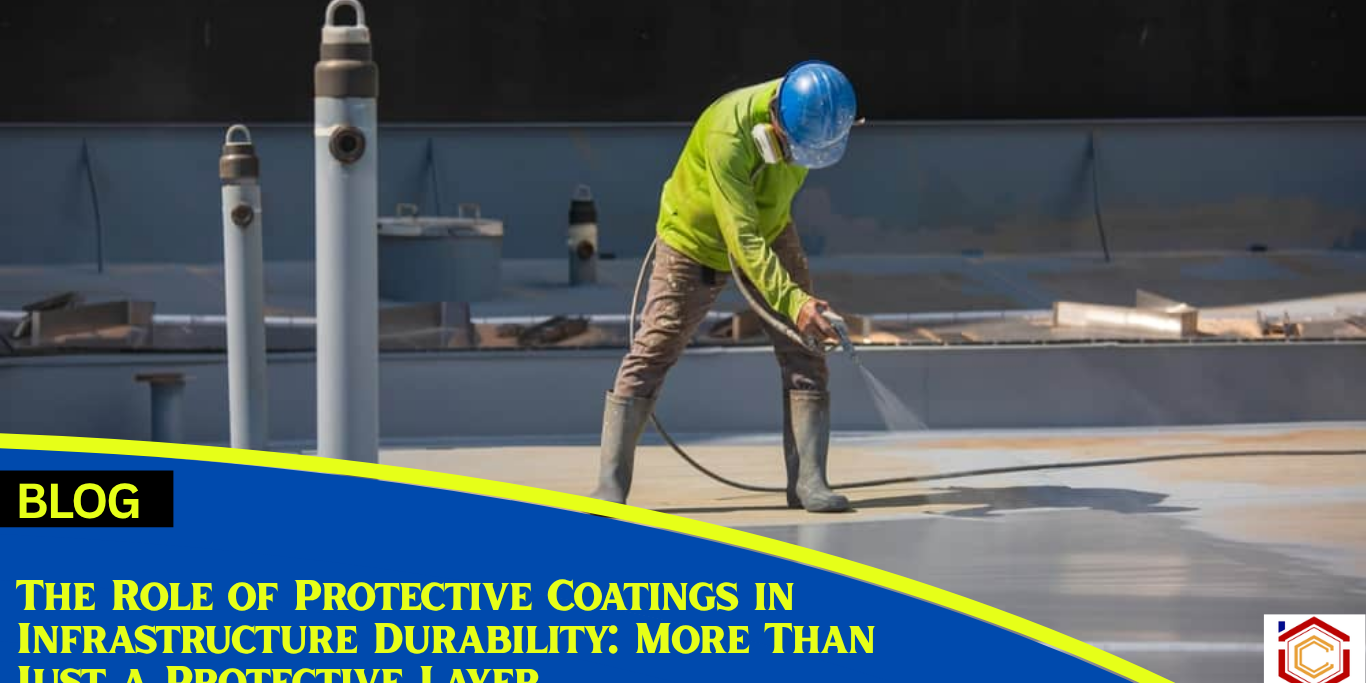
Infrastructure is built to last, but it faces constant threats from the environment, heavy usage, and chemical exposure. Bridges, industrial facilities, commercial buildings, and water treatment plants are all exposed to conditions that can gradually weaken their structural integrity.
As a result, maintaining these assets requires more than routine inspections and repairs. It demands proactive protection. One of the most effective ways to achieve this is through the use of protective coatings.
While many people view coatings as simple surface finishes, they serve a much greater purpose. Protective coatings act as a shield against corrosion, moisture, abrasion, and chemical attack. When properly selected and applied, they can significantly extend the lifespan of infrastructure while reducing maintenance costs.
What Are Protective Coatings?
Protective coatings are specially formulated materials applied to surfaces to protect them from environmental and operational damage. They create a barrier between the substrate and harmful external elements, helping to preserve structural performance over time.
These coatings are commonly used on:
- Reinforced concrete structures
- Steel frameworks
- Industrial floors
- Storage tanks
- Pipelines
- Water-retaining structures
- Marine and coastal infrastructure
Depending on the project requirements, protective coatings may be designed to resist moisture, chemicals, ultraviolet (UV) radiation, abrasion, or a combination of these factors.
Why Infrastructure Deteriorates Over Time
Even the strongest structures are vulnerable to deterioration. Environmental exposure and daily operational demands can gradually reduce the performance of construction materials.
Understanding these threats helps explain why protective coatings are such an important investment.
Moisture Ingress
Water is one of the leading causes of infrastructure deterioration. When moisture penetrates concrete or steel surfaces, it can trigger corrosion, weaken structural components, and accelerate material degradation.
Over time, this damage can compromise both safety and performance.
Chemical Exposure
Many industrial and commercial environments expose structures to aggressive chemicals. Acids, alkalis, solvents, and other substances can attack building materials and cause premature deterioration.
Without adequate protection, these chemicals can significantly shorten the lifespan of critical assets.
Corrosion
Corrosion remains one of the most expensive infrastructure challenges worldwide. When steel comes into contact with moisture and oxygen, rust begins to form.
As corrosion progresses, structural capacity decreases, maintenance costs increase, and the risk of failure becomes greater.
UV Radiation
Sunlight can also contribute to material degradation. Continuous exposure to ultraviolet radiation may cause discoloration, surface chalking, cracking, and reduced performance in certain materials.
Abrasion and Mechanical Wear
Infrastructure often experiences constant movement, traffic, and operational stress. Industrial floors, loading areas, and production facilities are particularly susceptible to abrasion.
Without adequate protection, repeated wear can damage surfaces and expose underlying materials to further deterioration.
How Protective Coatings Improve Infrastructure Durability
Protective coatings are specifically engineered to combat these common causes of deterioration. By creating a durable barrier, they help preserve the condition and performance of infrastructure assets.
Preventing Corrosion
One of the most important functions of protective coatings is corrosion prevention.
By preventing moisture and oxygen from reaching metal surfaces, coatings significantly reduce the likelihood of rust formation. This is particularly beneficial for:
- Steel structures
- Bridges
- Industrial equipment
- Offshore facilities
- Marine infrastructure
As a result, asset owners can reduce repair costs while extending service life.
Providing Chemical Resistance
In industrial environments, chemical exposure is often unavoidable. Protective coatings create a resistant layer that prevents aggressive substances from damaging the substrate.
This protection is especially valuable in:
- Manufacturing plants
- Pharmaceutical facilities
- Food processing facilities
- Wastewater treatment plants
Consequently, structures can maintain their integrity even in demanding operating conditions.
Controlling Moisture Penetration
Protective coatings also play a crucial role in moisture management. By limiting water ingress, they help reduce the risk of reinforcement corrosion, concrete deterioration, and other moisture-related issues.
Water-resistant coating systems are commonly used on:
- Reservoirs
- Foundations
- Parking structures
- Commercial buildings
This added protection helps preserve both structural performance and appearance.
Increasing Abrasion Resistance
In areas exposed to heavy traffic or mechanical activity, abrasion resistance is essential.
Protective coatings improve surface hardness and durability, allowing floors and structures to withstand repeated wear. As a result, maintenance requirements are reduced and operational efficiency is improved.
Protecting Against UV Damage
Certain coating systems are formulated specifically to withstand prolonged sunlight exposure.
These coatings help maintain surface appearance while protecting underlying materials from UV-related deterioration. This makes them ideal for exterior applications where long-term weather resistance is required.
Common Types of Protective Coatings
Not all protective coatings perform the same function. The best system depends on environmental conditions, substrate type, and project requirements.
Epoxy Coatings
Epoxy coatings are known for their exceptional adhesion, durability, and chemical resistance.
They are commonly used in:
- Industrial facilities
- Warehouses
- Manufacturing plants
- Water treatment facilities
Because of their strength and reliability, epoxy coatings remain one of the most widely used protective systems.
Polyurethane Coatings
Polyurethane coatings offer excellent flexibility, weather resistance, and UV stability.
They are frequently applied to:
- Exterior structures
- Commercial buildings
- Parking decks
- Industrial facilities
Their ability to maintain performance under harsh weather conditions makes them a popular choice for outdoor applications.
Acrylic Coatings
Acrylic coatings provide a balance of weather resistance, moisture protection, and aesthetic appeal.
These systems are often selected for projects where both protection and appearance are important considerations.
Cementitious Protective Coatings
Cementitious coatings are commonly used on concrete substrates. They provide moisture resistance while maintaining compatibility with the underlying surface.
As a result, they are frequently specified for water-retaining and concrete protection applications.
The Economic Benefits of Protective Coatings
At first glance, protective coatings may appear to be an additional project expense. However, they often provide substantial long-term financial benefits.
By protecting assets from deterioration, coatings help reduce:
- Premature repairs
- Structural damage
- Equipment replacement costs
- Maintenance frequency
- Operational downtime
Furthermore, extending the service life of infrastructure assets can significantly improve return on investment and reduce overall lifecycle costs.
Choosing the Right Protective Coating System
Selecting the right coating system requires careful evaluation of the operating environment.
Important factors include:
- Environmental exposure conditions
- Chemical exposure levels
- Moisture requirements
- Traffic intensity
- Abrasion demands
- Desired service life
Since every project is different, a coating that performs well in one environment may not be suitable for another. Therefore, proper assessment and product selection are essential for achieving optimal results.
Best Practices for Long-Term Performance
Even the most advanced coating system can fail if it is not applied correctly.
Successful performance depends on:
- Proper surface preparation
- Correct product selection
- Following manufacturer guidelines
- Suitable application conditions
- Routine inspection and maintenance
Among these factors, surface preparation is often the most critical. A well-prepared substrate provides the foundation for coating adhesion and long-term durability.
Investing in Long-Term Infrastructure Protection
Infrastructure durability depends on more than quality design and construction. Long-term performance also requires effective protection against environmental and operational threats.
Protective coatings offer a practical and cost-effective solution for preserving valuable assets. By protecting against corrosion, moisture, chemicals, abrasion, and UV damage, these systems help extend service life and reduce maintenance demands.
For asset owners, engineers, and facility managers, investing in protective coatings is ultimately an investment in the future performance of their infrastructure.
Partner with Costarchem for Durable Protection Solutions
At Costarchem Nigeria, we provide high-performance protective coating solutions designed to meet the demands of industrial, commercial, and infrastructure projects.
Whether you are protecting a new structure or extending the life of an existing asset, our team can help you identify the right solution for long-term durability and value.
Contact Us
Looking for reliable protective coating solutions for your next project? Costarchem is ready to help you select and implement the right protection system for lasting infrastructure performance.
📞 Phone: 09088434791, 08180095851
📧 Email: Info@costarchem.com
🌐 Website: www.costarchem.ng
Our experts can provide guidance on coating selection, application requirements, and maintenance strategies tailored to your project.
Contact Costarchem today to discover how the right protective coating system can extend the life of your infrastructure, reduce maintenance costs, and improve long-term performance.