

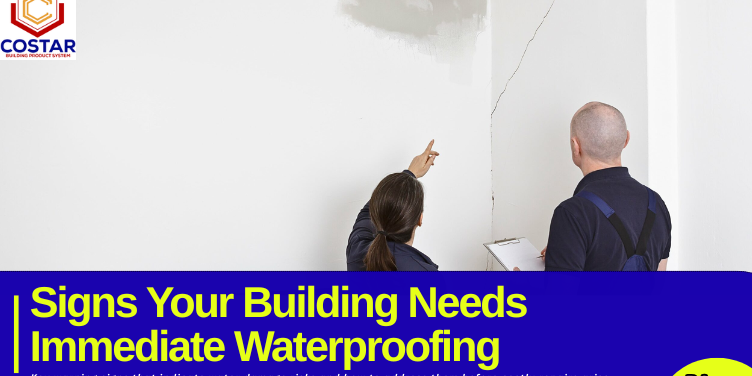
Many property owners overlook early warning signs that indicate deeper problems within their buildings. What may appear as minor stains, faint odours, or occasional leaks often points to underlying waterproofing failure. These issues rarely resolve on their own. Instead, they gradually worsen, affecting both the structure and the comfort of occupants.
Understanding what to look out for is essential. Early detection, followed by the right waterproofing intervention, can prevent extensive damage, reduce repair costs, and protect the long-term value of any property.
Why Early Waterproofing Intervention Matters
Water intrusion is not always dramatic. In many cases, it begins subtly and spreads quietly through walls, roofs, and floors. Over time, this moisture weakens materials, encourages mould growth, and compromises structural integrity.
A proactive approach to waterproofing helps identify vulnerabilities before they escalate. Whether through inspection or corrective treatment, addressing these issues early ensures that buildings remain safe, durable, and fit for purpose.
Common Signs of Water Ingress
Ceiling Stains After Rainfall
Discoloured patches on ceilings that appear or worsen after rainfall are one of the clearest indicators of waterproofing failure. These stains often signal that water is penetrating from the roof or upper slab.
Even when the marks seem minor, they usually point to a larger issue that requires attention. Left unresolved, they can lead to material decay and interior damage.
Recurring Leaks in the Same Area
Leaks that repeatedly occur in the same location suggest a persistent failure in the waterproofing system. Temporary fixes may stop the water briefly, but without addressing the root cause, the problem will continue.
Identifying the source of these leaks is critical to achieving a lasting solution.
Water Ponding on Roofs and Balconies
Flat surfaces such as rooftops and balconies should drain efficiently. When water collects and remains after rainfall, it increases the risk of seepage.
Prolonged ponding places stress on surfaces and joints, eventually allowing water to penetrate beneath the finish. This is often an early sign of poor waterproofing or drainage design.
Damp Walls and Surface Discoloration
Walls that appear damp, discoloured, or marked by white deposits are showing clear signs of moisture movement. These symptoms are commonly linked to water ingress or rising damp.
Beyond aesthetics, this moisture can weaken plaster, reduce insulation performance, and create unhealthy indoor conditions.
Cracks and Failed Joints
Small cracks in roofs, walls, or external surfaces often go unnoticed. However, they provide direct pathways for water to enter the building.
Similarly, worn or damaged sealants around joints and penetrations allow moisture to seep in over time. These weak points are among the most common causes of waterproofing failure.
Musty Odours and Hidden Moisture
A persistent musty smell indoors is often a sign of hidden moisture behind walls or under floors. Even when no visible damage is present, this indicates that water is accumulating within the structure.
Such conditions can lead to mould growth and should be addressed promptly.
What Happens When Waterproofing Issues Are Ignored
Delaying action can significantly increase the extent of damage. Moisture that continues to penetrate a building may result in:
- Deterioration of concrete and masonry
- Corrosion of embedded steel reinforcement
- Growth of mould and bacteria
- Damage to interior finishes and furnishings
- Increased long-term repair costs
Addressing waterproofing issues early is always more cost-effective than dealing with structural repairs later.
A Reliable Approach to Waterproofing Protection
Effective waterproofing requires more than surface-level treatment. It involves identifying the source of water ingress and applying a system that provides long-term resistance.
For exposed areas such as roofs, terraces, and balconies, high-performance solutions like Costar Conseal 250 offer dependable protection. This polyurethane-based waterproofing membrane forms a seamless, elastic barrier that resists water penetration, UV exposure, and environmental stress.
Its ability to adapt to structural movement makes it particularly suitable for buildings exposed to varying weather conditions.
When to Take Action
Waterproofing should not be delayed once warning signs appear. Immediate action is recommended when:
- Leaks occur during or after rainfall
- Damp patches or stains become visible
- Water begins to collect on flat surfaces
- Odours or mould indicate hidden moisture
In addition, periodic inspections are advisable for buildings exposed to heavy rainfall or ageing infrastructure.
Long-Term Benefits of Proper Waterproofing
Investing in effective waterproofing delivers lasting value. It helps maintain structural integrity, reduces maintenance costs, and ensures a healthier indoor environment.
More importantly, it preserves the overall performance and lifespan of the building, protecting it against recurring water-related issues.
Protect Your Building Before Damage Escalates
Early signs of water ingress should never be ignored. What starts as a minor issue can quickly develop into a major structural concern if left untreated.
Contact Costarchem Nigeria today to learn how Costar Conseal 250 can provide reliable, long-lasting waterproofing protection for your building.
Conclusion
Water damage is often gradual, but its impact can be severe. Recognising the signs of waterproofing failure and taking timely action is essential for maintaining building durability and value.
With the right approach and proven solutions, property owners can prevent damage, reduce costs, and ensure their structures remain strong and protected for years to come.